Biotech Startup Colossal Unveils Artificial Eggshell, Paving Way for Avian De-Extinction
Breaking: Colossal Creates Artificial Eggshell That Produces Healthy Chicks
DALLAS, TX — In a breakthrough that could transform avian conservation and de-extinction efforts, biotech company Colossal announced Tuesday the development of an artificial eggshell capable of supporting full chick development without the natural shell. The company successfully transferred egg contents into its custom container within days of laying, yielding normal, healthy chicks that walked away.
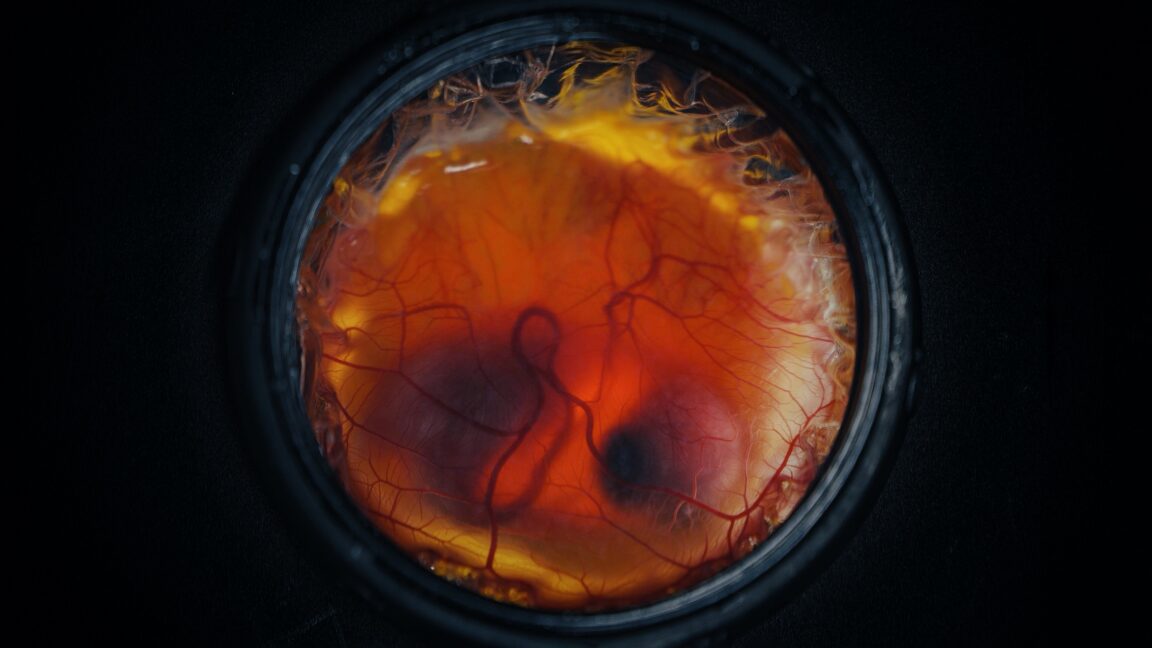
“This is a game-changer for species revival,” said Dr. Ben Lamm, Colossal’s CEO and co-founder. “We can now incubate embryos of extinct or endangered birds in a controlled environment, overcoming a major barrier to avian de-extinction.” The technology eliminates the need for a natural shell, allowing researchers to monitor and manipulate development in real time.
Background: From De-Extinction to a Research Tool
Colossal, known for its ambitious goal to resurrect the woolly mammoth and thylacine, has now turned its focus to birds. The company’s primary mission is to reverse extinction using advanced genetic engineering and reproductive technologies. However, this shell-less culture system also addresses a long-standing challenge in developmental biology.
Previously, scientists studying chicken embryos had to chip holes in eggs, perform manipulations, and seal them with tape—a delicate, often unsuccessful process. “I spent years in the lab doing exactly that,” said Dr. Emily Parker, a developmental biologist not affiliated with Colossal. “This artificial shell could make those experiments far easier and more reproducible.”
What This Means: A Revolution in Avian Science and Conservation
Beyond de-extinction, the artificial eggshell offers a powerful platform for studying avian development, disease, and genetic modifications. “We can now observe every stage of development without interference from the shell,” Lamm explained. “This opens doors for vaccine production, improving poultry health, and even creating surrogate species for extinct birds.”
However, challenges remain. The technology must be scaled for endangered species, and the artificial environment must mimic the natural egg’s nutrient and gas exchange. Colossal has not yet applied the system to non-chicken species, but plans are underway. “We are still a few years from hatching a dodo,” Lamm cautioned, “but this is a critical step.”
How the Artificial Eggshell Works
The device consists of a transparent, humidity- and temperature-controlled container that replicates the function of a natural shell. The company transfers fertilized egg contents into this container within one to two days of laying. The embryo continues developing, with the container providing oxygen and removing waste. In trials, chicks hatched successfully and exhibited normal behavior.
The process bypasses the need for a surrogate host, a major hurdle for species with no living relatives. It also allows continuous imaging of embryonic growth. “We can literally watch the heart form and the beak develop,” said Dr. Sarah Kim, Colossal’s lead avian researcher. “It’s unprecedented.”
Expert Reactions and Next Steps
Many scientists have praised the innovation. “This solves a fundamental bottleneck,” said Dr. Robert Foster, an ornithologist at the University of Texas. “But it’s just one piece of the puzzle. We still need to create viable embryos of extinct species.” Colossal is developing genetic libraries and editing tools to insert ancient DNA into modern bird cells.
Colossal plans to publish its methods in a peer-reviewed journal within months. Meanwhile, the company is already adapting the system for endangered species like the California condor and the kākāpō. “Conservation is our immediate focus,” Lamm stated. “De-extinction remains the North Star.”
— Reporting contributed by science correspondent; this is a developing story.