SpaceX Reaches New Milestone: Starship V3 Stacked and Fueled for Upcoming Test Flight
SpaceX has achieved a significant milestone in its ambitious Starship development program. The company has fully stacked the upgraded Starship V3 spacecraft atop a Super Heavy booster at its Starbase facility in Texas, and subsequently completed a comprehensive fueling test—widely known as a wet dress rehearsal. These combined achievements bring the rocket one step closer to its 12th test flight, marking another critical phase in Elon Musk's vision for fully reusable space transportation.
What Is Starship V3?
The Starship V3 represents the latest iterative design of SpaceX's next-generation launch system. While specific details remain proprietary, industry observers note key enhancements over earlier prototypes. The V3 version is expected to incorporate improved Raptor 3 engines for greater thrust and efficiency, a refined heat shield with upgraded tiles for better reentry protection, and optimized structural elements to increase payload capacity. These upgrades aim to address issues observed during previous test flights, such as propulsion failures and thermal damage during descent.
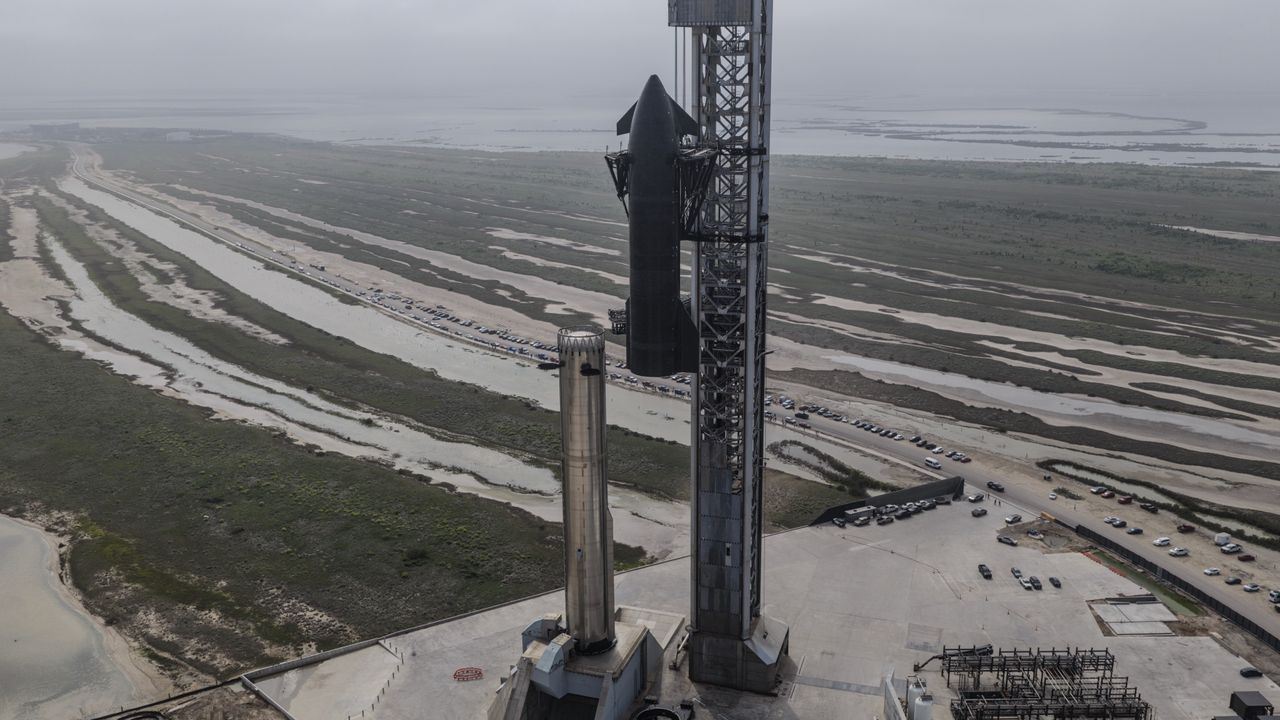
The Stacking Process at Starbase
Stacking a Starship and Super Heavy booster is a delicate operation that involves hoisting the massive upper stage—standing about 50 meters tall—on top of the equally enormous Super Heavy first stage (approximately 70 meters). At Starbase's orbital launch mount, a gantry system lifts the Starship V3 using specialized cranes. The mating process requires precise alignment of mechanical interfaces and electrical connections. Once fully stacked, the complete vehicle exceeds 120 meters in height, making it the tallest rocket ever built. This stacking marks the first time a V3 version has been integrated on the launch pad, signifying an important hardware progression.
Major Fueling Test Completed
Shortly after stacking, SpaceX engineers conducted a full fueling test, also called a wet dress rehearsal. During this procedure, the rocket's propellant tanks were loaded with liquid methane and liquid oxygen to simulate launch conditions. The test verifies tank integrity, plumbing systems, and ground support equipment while also checking for leaks. Unlike an actual launch, the engines are not ignited; instead, the vehicle is partially fueled, then detanked safely. Successfully completing this test indicates that the rocket and ground systems are ready for a static fire attempt or even a launch countdown.
Preparing for the 12th Test Flight
The upcoming 12th test flight will be a critical evaluation of the Starship V3's integrated performance. Previous flights have progressively tested stage separation, engine burns, and reentry maneuvers. The 12th flight is expected to focus on orbital insertion attempts or near-orbital trajectories, with an aim to demonstrate second-stage orbital capability and controlled reentry. If successful, this flight could pave the way for operational missions, including satellite deployment and future crewed flights. The fueling test success reduces risk and increases confidence for the launch team.
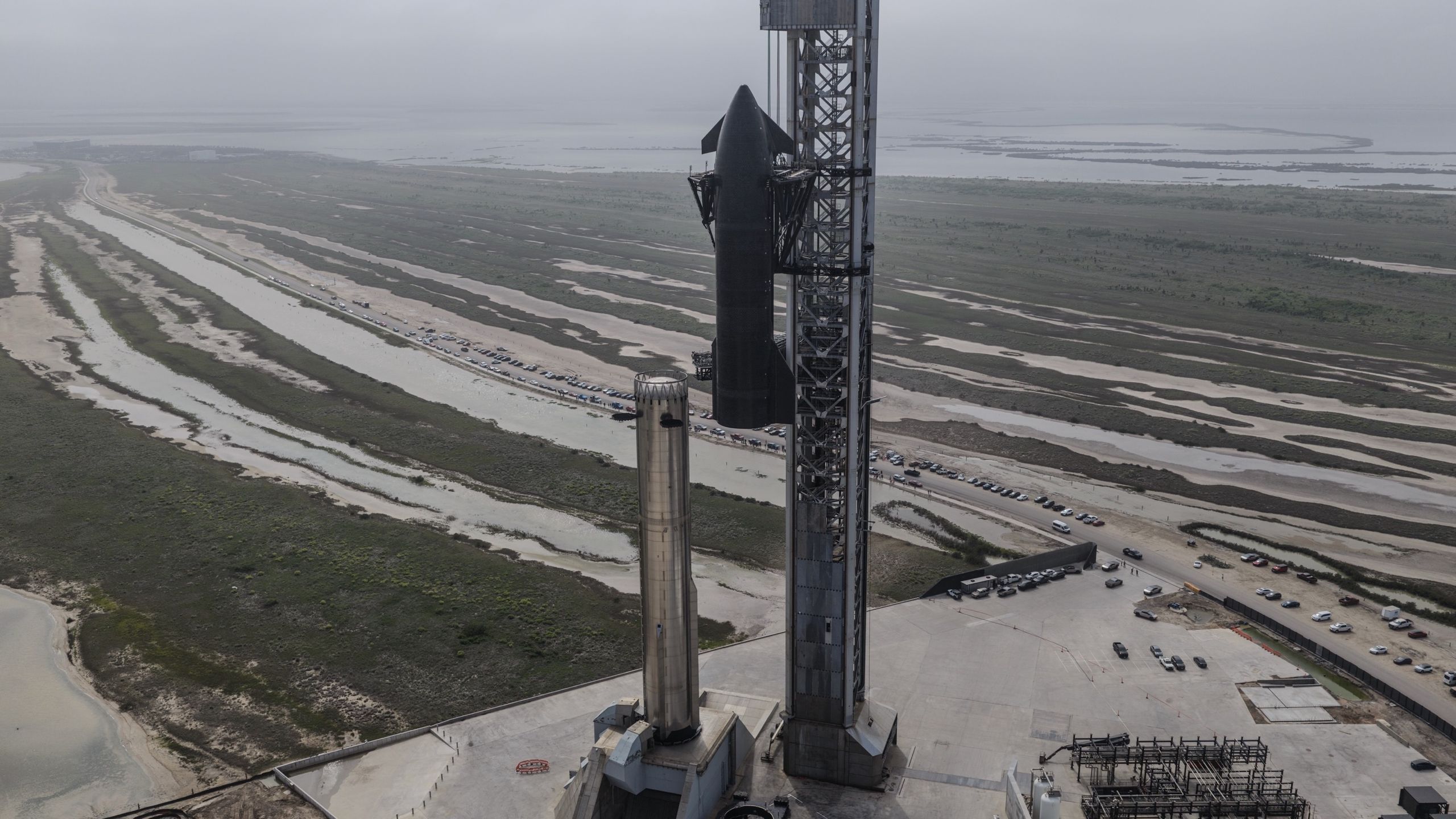
Starbase Infrastructure Upgrades
Starbase itself has undergone significant improvements to support the V3 version. The orbital launch mount has been reinforced to handle the heavier vehicle, and new propellant storage tanks have been installed to accommodate the higher fuel flow rates required for static fires. Additionally, a new high-speed camera system has been added to capture detailed footage of the boostback and landing attempts. These infrastructure enhancements reflect SpaceX's commitment to rapid iteration and frequent testing.
Why This Matters for Space Exploration
The Starship V3's progress is not just a milestone for SpaceX but for the broader space community. The fully reusable design promises to dramatically lower the cost of launching payloads to orbit, enabling missions to the Moon, Mars, and beyond. NASA has already selected Starship for the Human Landing System on its Artemis program, and success of the V3 version could accelerate that timeline. Moreover, the fuel test and stacking demonstrate that SpaceX is methodically advancing toward operational status, despite the inevitable setbacks of a test-driven development approach.
What’s Next?
Following the fueling test, SpaceX will likely conduct a static fire test of the Super Heavy booster's 33 Raptor engines—a major stress test for both the vehicle and launch pad. If that passes, a launch date will be announced. Given the rapid pace of past test flights, the 12th flight could occur within weeks. Enthusiasts and analysts alike will be watching closely to see if the V3 valiantly flies higher and farther than its predecessors.
In summary, the stacking and fueling of Starship V3 at Starbase is a strong indicator that SpaceX is closing in on a pivotal test flight. Each completed test brings the company one step closer to revolutionizing access to space.