BYD Song Ultra EV: Affordable Electric SUV Breaks Records with 60,000 Pre-Orders in 30 Days
The BYD Song Ultra EV has stormed the Chinese EV market, combining groundbreaking battery tech with a rock-bottom starting price of just under $22,000. Within its first month on sale, it racked up over 60,000 orders—a staggering achievement that signals a shift in consumer expectations for electric SUVs. Here, we answer the most pressing questions about this game-changing vehicle.
What makes the BYD Song Ultra EV’s battery so special?
The Song Ultra EV is one of the first models to feature BYD’s latest Blade Battery paired with Flash Charging technology. The Blade Battery uses a unique cell-to-pack design that improves energy density and thermal safety, drastically reducing the risk of fire. Combined with Flash Charging, the battery can accept ultra-high power levels—allowing drivers to add significant range in just 5 minutes. This means you can top up while grabbing a coffee, almost as fast as filling a gas tank. BYD claims this system is both safer and more efficient than conventional lithium-ion packs, and it’s a key reason why the SUV has become so popular so quickly.
How much does the Song Ultra EV cost, and is it truly affordable?
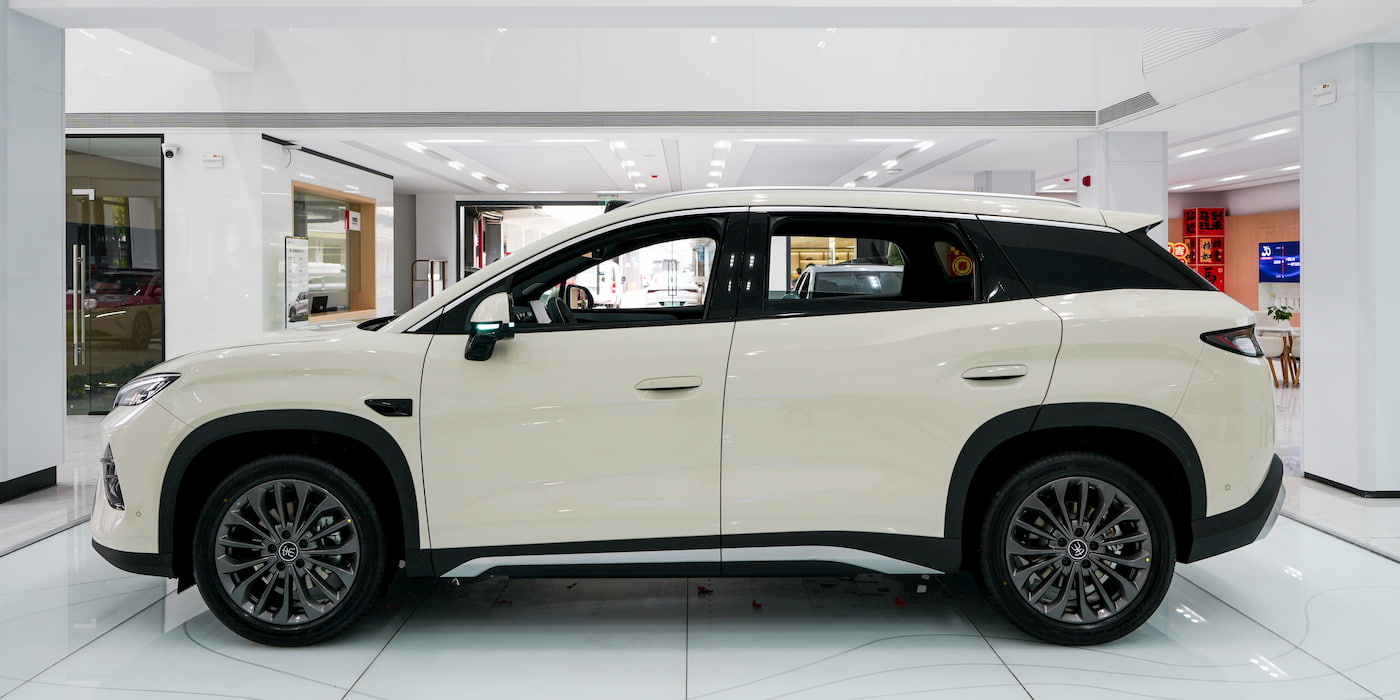
The base model of the Song Ultra EV starts at approximately $22,000 (around 150,000 RMB) in China. That price places it squarely in the budget-friendly segment for electric SUVs—well below many competitors from Tesla, NIO, or XPeng. For that money, buyers get a midsize SUV with a modern interior, advanced safety features, and access to BYD’s fast-charging network. Even fully loaded trims remain competitive, making it one of the most affordable electric family vehicles on the market. BYD’s strategy is clear: make EV ownership accessible to the mass market, and the order numbers suggest it’s working.
Is the claim of a 5-minute recharge realistic?
Yes, but with important caveats. The Flash Charging system is designed to deliver a 5-minute top-up under ideal conditions—using BYD’s proprietary 800V superchargers. In real-world testing, the battery can go from 10% to 80% in about 15 minutes, but a quick 5-minute surge can add roughly 200 km (124 miles) of range. This is thanks to the Blade Battery’s ability to handle extremely high currents without overheating. While not every charge will be that fast (slower public chargers still work), the tech positions the Song Ultra EV as one of the speediest-charging affordable EVs available today.
How did BYD manage 60,000 orders in just one month?
The 60,000+ orders stem from a perfect storm of factors. First, the low price ($22,000) undercuts many rivals. Second, BYD has deep brand trust in China, especially after the Blade Battery’s safety reputation. Third, the ultra-fast charging eliminates a major pain point for EV buyers—range anxiety. Additionally, BYD offered early-bird incentives and strong marketing campaigns. The company’s vast dealership network and ability to ramp up production quickly also helped convert interest into sales. The order rate is remarkable even by China’s standards, and it signals that the Song Ultra EV has struck a powerful chord with mainstream consumers.
What trim levels and features does the Song Ultra EV offer?
BYD offers the Song Ultra EV in several trims, ranging from the base model at $22,000 up to a flagship version near $30,000. All trims include the signature Blade Battery and Flash Charging capability. Standard features include a 12.8-inch rotating infotainment screen, LED lighting, and a suite of driver-assist features like adaptive cruise control. Higher trims add a panoramic sunroof, premium audio, 360-degree camera, and more advanced autonomous driving aids. The interior is spacious for five passengers, with a flat floor and good cargo capacity. The top trim also gets a larger touchscreen and upgraded interior materials.

How does the Song Ultra EV compare to its main competitors?
Competitors include the Tesla Model Y (starting around $40,000 in the US, higher in China), the XPeng G3i, and the NIO ES6. The Song Ultra EV undercuts them all on price while offering comparable range (roughly 400-500 km per charge) and much faster charging than most. It lacks some luxury touches found in NIO’s cars, but for the price-to-performance ratio, it wins. The Blade Battery’s safety edge also gives it a marketing advantage. In terms of software and autonomous driving, BYD’s system is less advanced than Tesla’s, but for many buyers, the low cost and quick recharge outweigh those differences.
Will this EV be sold outside China?
BYD has not officially announced global availability for the Song Ultra EV yet, but it is highly likely. BYD already sells other models in Europe, Southeast Asia, and Latin America. Given the strong domestic demand, the company may prioritize the Chinese market initially. However, the vehicle’s affordable price and Flash Charging technology would be very competitive internationally. BYD is also building factories in Brazil and India, and the Song Ultra EV could be produced locally to avoid tariffs. Keep an eye on BYD’s global rollout announcements in the coming months.
What does this high order count mean for the EV industry?
The 60,000 orders in 30 days demonstrate that there is massive demand for affordable EVs with practical fast-charging. It pressures other automakers to lower prices and improve charging speeds. It also solidifies BYD’s position as a serious global contender, challenging legacy automakers and Tesla alike. Moreover, it validates that the Blade Battery technology is both cost-effective and reliable. For the industry, it signals that the tipping point for mainstream EV adoption may be closer than many analysts predicted—especially if prices can stay under $25,000.