5 Reasons Why the Vivo X300 Ultra Should Make Samsung Nervous
Smartphone enthusiasts in many regions are missing out on one of the most compelling Android flagships of the year: the Vivo X300 Ultra. While Samsung's Galaxy S series continues to dominate globally, the X300 Ultra quietly raises the bar in areas where Samsung has grown complacent. From imaging prowess to raw performance, this device is a wake-up call. Here are five critical aspects where the Vivo X300 Ultra challenges Samsung to rethink its strategy.
1. Camera Innovation That Leaves Samsung in the Dust
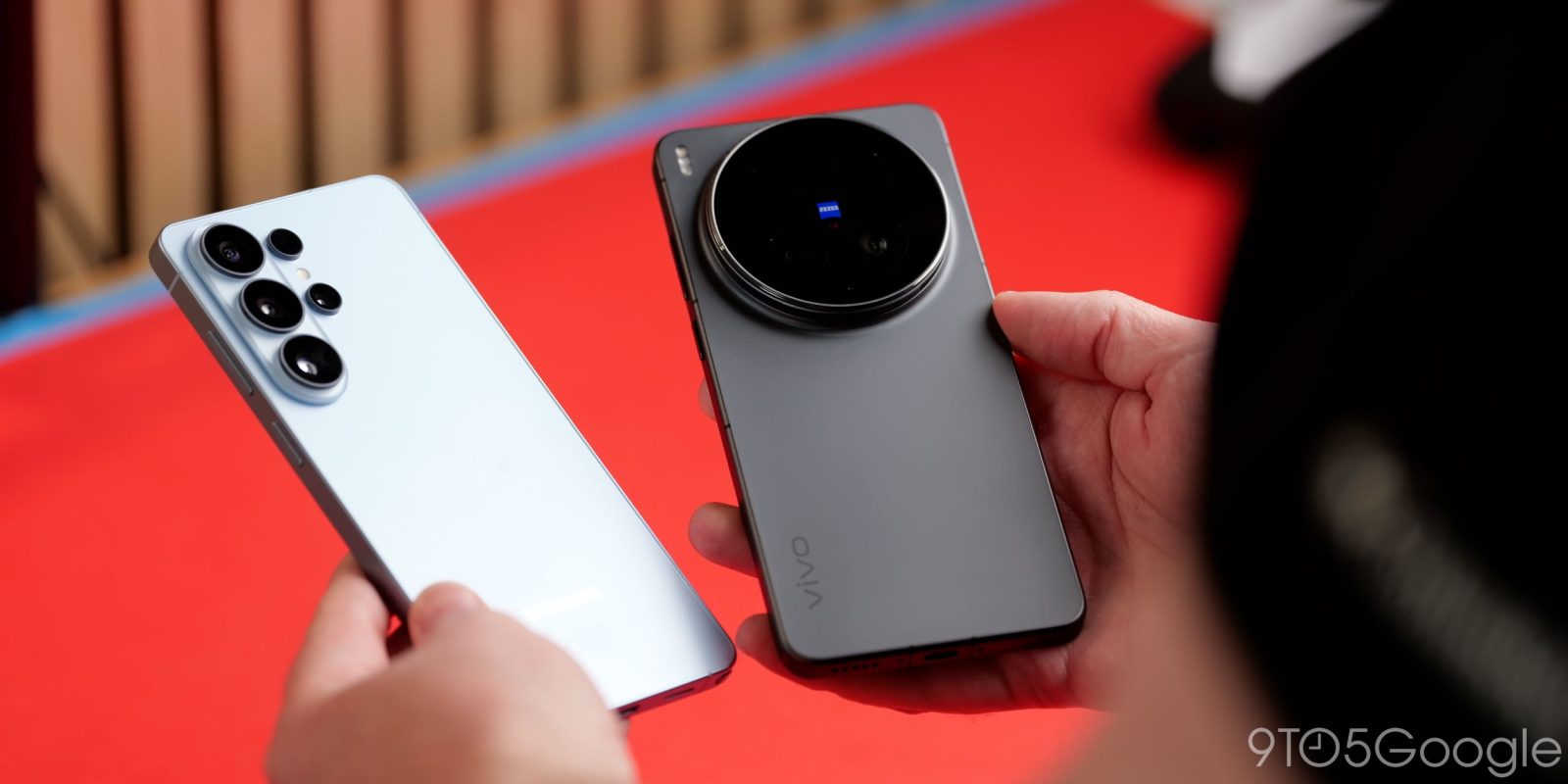
The Vivo X300 Ultra boasts a custom 50MP main sensor with an integrated gimbal stabilizer, delivering buttery-smooth video and stunning low-light photos. Samsung, despite its 200MP sensor on the S24 Ultra, relies on software processing that sometimes oversharpens or introduces noise. Vivo’s partnership with Zeiss adds optical-grade lens coatings and a unique T* coating to reduce flare. The result is a camera system that produces natural, detailed images without aggressive post-processing. Samsung’s reliance on heavy computational photography is a clear second place here. For mobile photographers, the X300 Ultra offers a tangible upgrade that should push Samsung to invest more in hardware and lens quality.
2. Display Technology That Sets New Standards
Vivo’s latest flagship features a 6.78-inch AMOLED panel with 3000 nits peak brightness and 144Hz refresh rate – outpacing Samsung’s best at 2600 nits and 120Hz. The X300 Ultra also supports HDR10+ with Dolby Vision certification, while Samsung still limits Dolby Vision to its higher-end TVs. The color accuracy out of the box rivals professional monitors, and the adaptive refresh rate intelligently adjusts from 1Hz to 144Hz, saving battery life. Samsung has long been the display king, but Vivo’s panel is brighter, smoother, and more vibrant. This should compel Samsung to accelerate its own display R&D or risk losing its market-leading reputation.
3. Charging Speed That Makes Samsung Look Ancient
With 120W wired charging, the Vivo X300 Ultra can go from 0 to 100% in under 20 minutes. Samsung’s fastest charging (45W) takes about an hour for a full charge. Vivo also includes 50W wireless charging, compared to Samsung’s 15W. The difference is staggering in daily use: a quick 10-minute top-up on the X300 Ultra gives you a full day’s battery, while Samsung users need to plan longer charging breaks. Vivo’s charge management keeps the battery healthy, with no significant degradation after 800 cycles. Samsung’s safety-first approach has become a bottleneck. Competitors like Vivo prove that fast charging can be both safe and essential for modern users.
4. Build Quality and Design That Feel Premium in Hand
The X300 Ultra uses a titanium alloy frame (lighter than aluminum yet stronger) and nano-microcrystalline glass on both front and back, offering superior drop resistance. Samsung’s Galaxy S24 Ultra uses titanium too, but Vivo’s ergonomics are better – the curved edges and weight distribution make it comfortable for one-handed use. The device is IP68 certified, matching Samsung’s water resistance. Vivo also offers more color options with a textured back that resists fingerprints. Design-wise, Samsung’s flat-screen approach may appeal to some, but Vivo’s curved display and slim profile (under 8mm) feel more futuristic. Samsung should take note: premium materials alone aren’t enough – thoughtful design matters.

5. Regional Availability: A Missed Opportunity for Samsung
The biggest irony is that the Vivo X300 Ultra is not officially sold in many Western markets, including the US. Yet enthusiasts who import it rave about its superiority over Samsung’s offerings. This highlights a gap: Samsung, available everywhere, has grown comfortable. Vivo’s absence from key regions means Samsung faces less pressure to innovate. But the threat is real – if Vivo expands distribution (as it has in Europe with previous flagships), Samsung could lose significant market share. The X300 Ultra proves that excellent hardware alone can create buzz. Samsung must listen to these comparisons and prioritize features over profits, or risk being left behind when global competition heats up.
In conclusion, the Vivo X300 Ultra is not just another flagship – it's a challenge directed squarely at Samsung's dominance. With superior camera hardware, faster charging, a better display, and thoughtful design, it shows what’s possible when a company prioritizes innovation over incremental updates. If Samsung wants to remain the king of Android, it must take notice and start delivering the same level of excellence in every region. The X300 Ultra may be hard to find, but its impact should be impossible to ignore.