Asteroid Apophis: 10 Crucial Facts About the Potentially Hazardous Space Rock and the Mission to Protect Earth
In 2029, a massive asteroid named Apophis will pass closer to Earth than many of our own communication satellites. While astronomers have confirmed it won't hit us this century, the close encounter has sparked urgent conversations about planetary defense. One California startup, Exploration Labs, has unveiled an ambitious plan: the first commercial deep space ride-share mission to rendezvous with Apophis and gather critical data. Here are 10 things you need to know about Apophis, the mission, and why experts say this could be the key to keeping Earth safe from future asteroid threats.
1. What Is Apophis and Why Does It Matter?
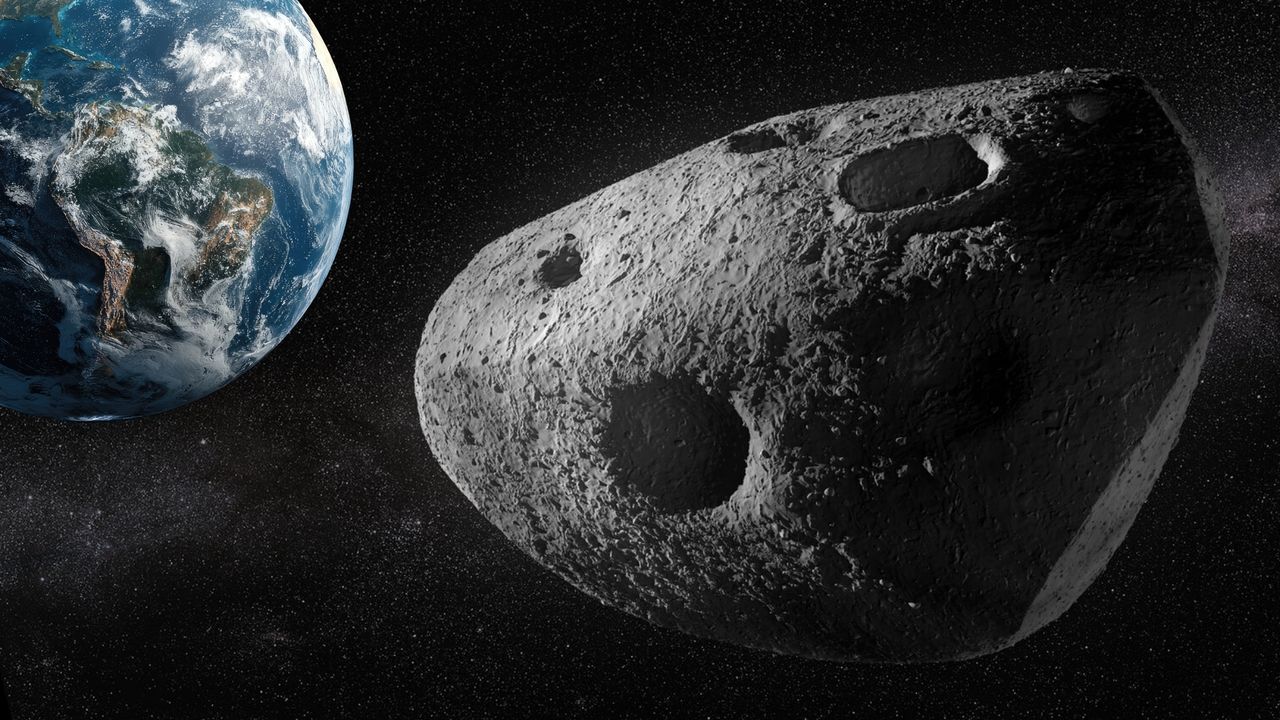
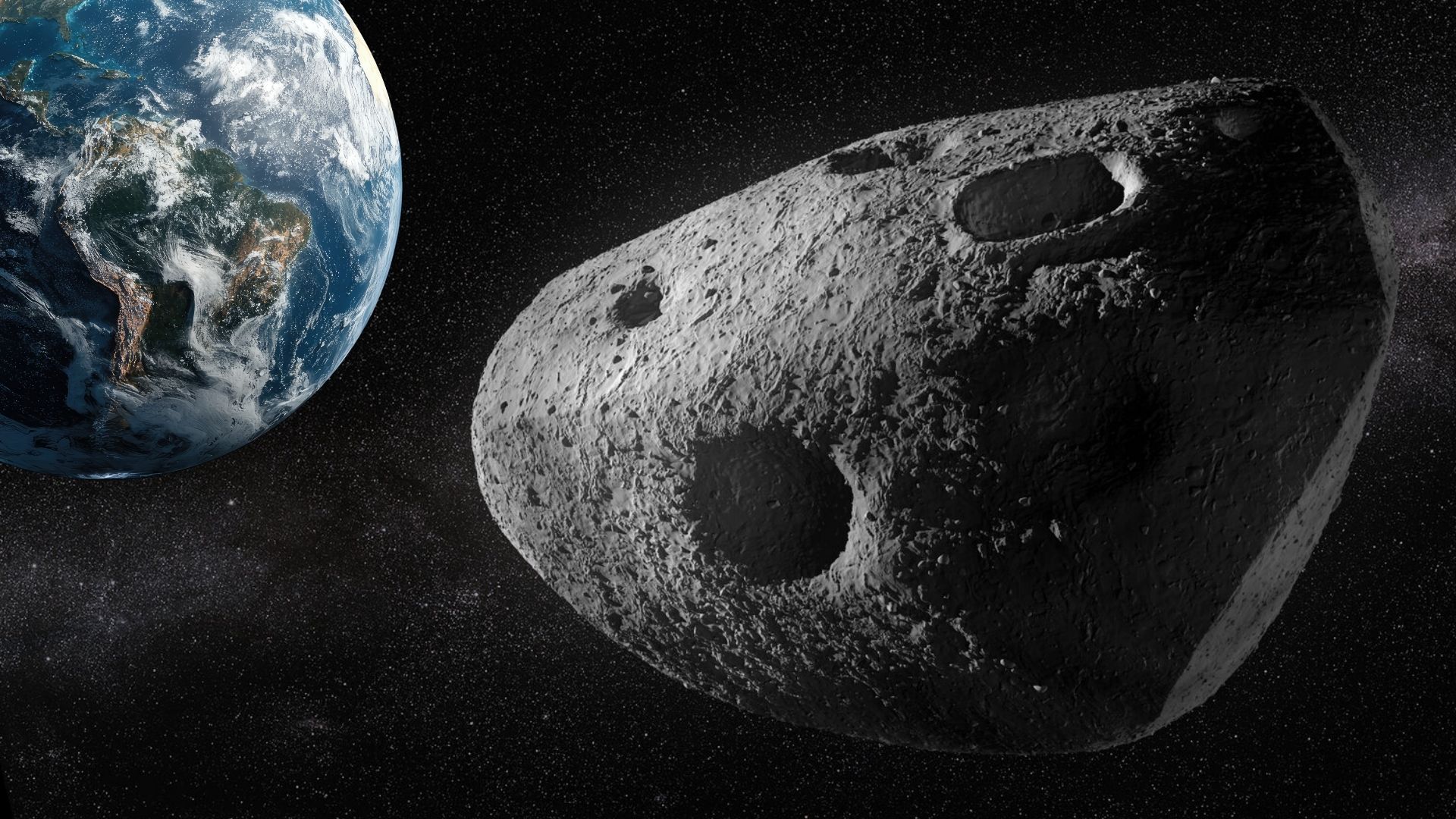
Apophis is a near-Earth asteroid roughly 340 meters in diameter—big enough to cause catastrophic damage if it hit a populated area. Discovered in 2004, it initially sparked fears of a 2029 impact, but refined orbits ruled that out. However, its close flyby (within 31,000 kilometers of Earth's surface) will be visible to the naked eye and offers a rare opportunity for scientists to study a potentially hazardous object up close. Understanding its composition, rotation, and trajectory could inform future deflection strategies.
2. The Apophis EX Mission: A Commercial Deep Space First
Exploration Labs, based in California, has proposed Apophis EX—the first commercial ride-share mission into deep space. The plan involves launching a small spacecraft that will hitch a ride on a larger rocket (the 'ride-share' element) and then rendezvous with Apophis during its 2029 flyby. The spacecraft will conduct flyby observations, map the asteroid's surface, and potentially deploy a small impactor or lander. This mission aims to demonstrate that private companies can play a key role in planetary defense.
3. Why a Ride-Share Mission Makes Sense
Traditional asteroid missions cost hundreds of millions of dollars. By piggybacking on a commercial launch already headed to a similar orbit, Apophis EX drastically reduces costs. The ride-share model allows Exploration Labs to test deep space capabilities without a dedicated flagship mission. It also opens the door for other companies or nations to join—multiple small satellites could be deployed to study Apophis simultaneously, increasing scientific return.
4. Apophis Is Classified as a Potentially Hazardous Asteroid (PHA)
The International Astronomical Union designates objects like Apophis as PHAs if they are larger than 140 meters and have orbits that bring them within 7.5 million kilometers of Earth. Apophis easily meets that threshold. While its next close approach in 2029 is safe, gravitational pull from Earth during the flyby could alter its future orbit, possibly increasing impact risk later in the century. Continuous monitoring is essential.
5. What We Hope to Learn from the Encounter
Scientists want to determine Apophis's exact size, shape, mass, and rotation rate. Equally important is its internal structure—is it a solid monolith or a loose rubble pile? Rubble pile asteroids behave differently under stress and deflection attempts. Data from Apophis EX could validate models used for future deflection missions, like NASA's DART (Double Asteroid Redirection Test) that successfully altered an asteroid's orbit in 2022.
6. The Psychological and Political Impact of a Close Flyby
When Apophis passes overhead in 2029, billions of people will witness it. That public engagement could drive political will for more planetary defense funding. Historically, near misses like the 2013 Chelyabinsk event spurred international cooperation. Apophis EX aims to capitalize on that moment by providing real-time data and imagery, turning a potential fear into a science learning opportunity.
7. Exploration Labs: From Startup to Planetary Defender
Founded by former NASA engineers, Exploration Labs focuses on low-cost space exploration. The company's CEO stated, 'This is going to be what makes the Earth secure,' referring to the Apophis EX mission. They previously launched small satellites for Earth observation, but this marks their first deep space venture. Their approach combines commercial agility with scientific rigor, bypassing traditional government bureaucracy.
8. The Broader Context: Why We Need Multiple Redundancies
Relying on a single deflection method (like a nuclear bomb or kinetic impactor) is risky. Each asteroid has unique properties—Apophis might be easier to nudge with a gravity tractor or a solar sail. By testing multiple approaches on different asteroids, including Apophis, humanity builds a toolkit. Exploration Labs' mission provides a testbed for small spacecraft technologies that could be replicated at scale.
9. International Collaboration and the Role of Private Industry
Planetary defense has traditionally been a government domain (NASA, ESA, CNSA). Commercial missions like Apophis EX can supplement these efforts by offering faster, cheaper options. They also engage the private sector in global security. If Apophis EX succeeds, it could pave the way for a commercial asteroid defense network, where companies sell data and monitoring services to nations.
10. The Road Ahead: Launch Timeline and Challenges
Exploration Labs aims to launch Apophis EX by late 2028 to rendezvous with Apophis in April 2029. Challenges include securing a ride-share partner, surviving deep space radiation, and ensuring precise navigation. The company is currently seeking investors and NASA partnerships. Even if the mission encounters delays, the concept itself marks a paradigm shift: planetary defense is no longer just a government job—it's a business opportunity that could save millions of lives.
Conclusion: A Small Mission with Huge Implications
Apophis EX is not just another space mission; it's a proof of concept for how commercial innovation can protect Earth from cosmic threats. By leveraging a ride-share, Exploration Labs is making asteroid science accessible and affordable. The 2029 flyby of Apophis will be a historical moment—and thanks to this California company, we may have front-row seats to the science that could one day save our planet.