8 Key Insights Into OnePlus's Merger With Realme and What It Means for the Brand's Future
The tech world was shaken by reports that OnePlus—once a darling of the flagship killer segment—has been quietly merged with sister brand Realme. This consolidation extends to its Chinese operations and follows mounting evidence of a global retreat. While neither company has officially confirmed the move, the implications are profound for fans and the smartphone industry at large. Here are 8 essential points to understand this seismic shift.
1. The Merger Isn't a Rumor—It's a Reality
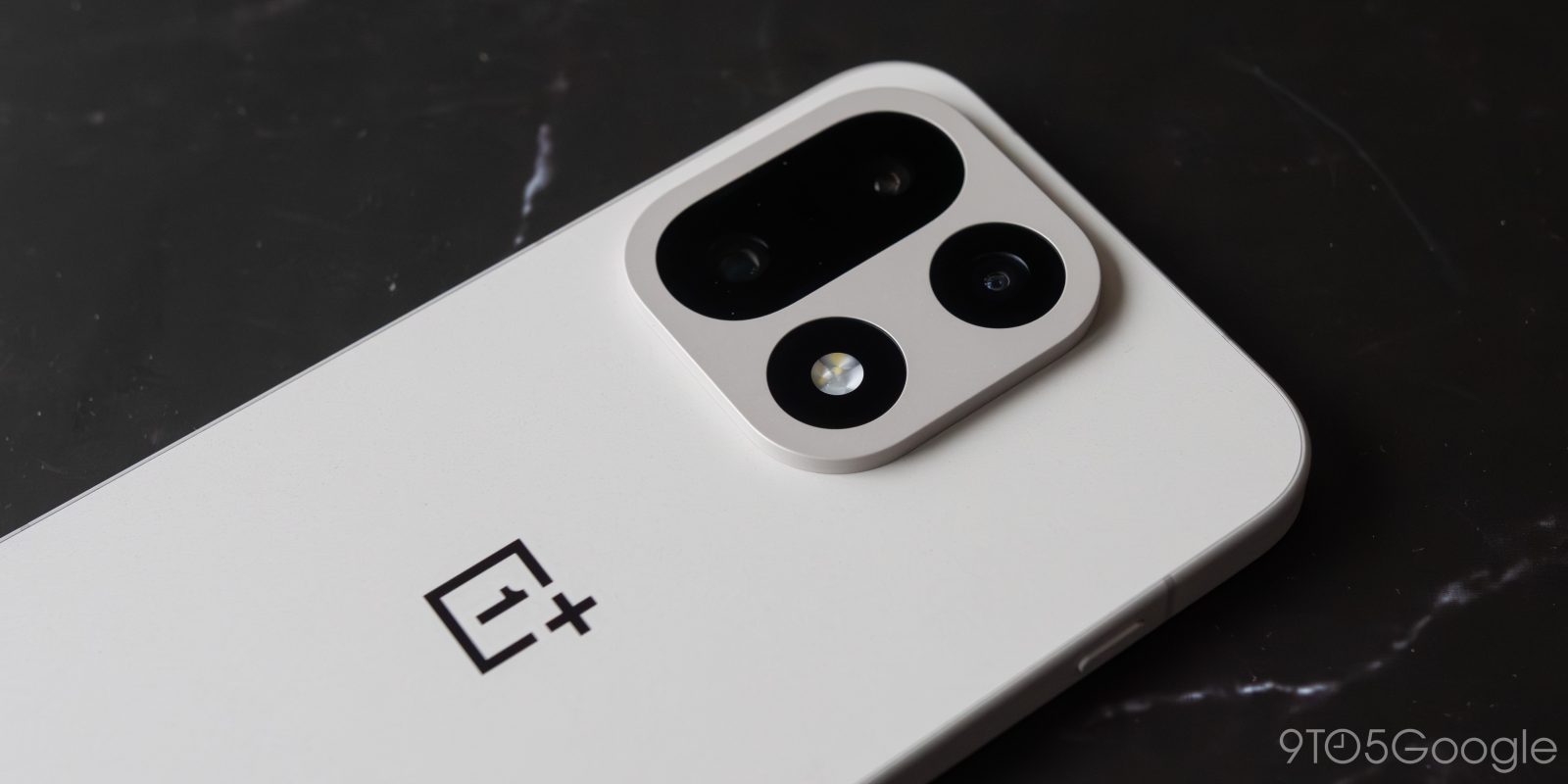
Industry insiders and supply chain leaks confirm that OnePlus has been folded into Realme's corporate structure. The move, effective in several markets including China, effectively ends OnePlus's standalone identity. Realme, which started as an Oppo sub-brand in 2018, now absorbs its more premium sibling. This wasn't a typical acquisition; it's an internal consolidation within the BBK Electronics conglomerate, which already owns Oppo, Vivo, and Realme. Evidence includes unified R&D teams, shared manufacturing lines, and a gradual merging of software teams. OnePlus's leadership roles have also been reassigned, with key executives moving to Realme positions.
2. The Downward Spiral Was Already Visible
For over a year, OnePlus had been scaling back its global footprint. It quietly exited markets like the UK, Germany, and parts of Southeast Asia. Flagship release cycles became erratic, and customer service centers consolidated. The brand's once-legendary community forums saw reduced engagement. Financial reports from BBK indicated a profit decline for OnePlus, while Realme surged in India and emerging markets. The merger is the logical endpoint of a brand that lost its niche—caught between Oppo's mainstream appeal and Realme's aggressive pricing. By merging, BBK avoids duplicating R&D and marketing costs.
3. Realme Is Now the Dominant Sub-Brand
Realme initially targeted budget and mid-range segments, but with OnePlus's tech and premium brand equity, it can now compete at higher price points. The combined entity will likely focus on a unified product line—Realme handling ultra-budget and mid-range, while a possible 'OnePlus by Realme' series serves the premium tier. This mirrors how BBK managed Oppo and Vivo separately. However, Realme's aggressive marketing and fast iteration cycles differ from OnePlus's 'Never Settle' ethos. The merger means OnePlus's resources—like its camera tuning team and OxygenOS developers—will directly benefit Realme's future releases.
4. OnePlus's Premium Identity Faces an Identity Crisis
OnePlus built a loyal fanbase by offering flagship specifications at near-premium prices, with a clean software experience. Realme, on the other hand, is known for flashy designs, aggressive price tags, and a heavily customized ColorOS skin. Merging these identities risks diluting OnePlus's brand cachet. Longtime fans worry that future OnePlus devices will inherit Realme's bloatware and lower build quality. The brand might lose its 'flagship killer' aura and become just another sub-brand under Realme's umbrella. BBK will need to carefully manage brand positioning to prevent cannibalization.
5. What Happens to OxygenOS?
OxygenOS, OnePlus's near-stock Android experience, was a key differentiator. Post-merger, software development has already been unified with Realme UI and Oppo's ColorOS. The latest OnePlus 12 series ships with ColorOS in China and a hybrid version globally. Industry leaks suggest that future OnePlus devices will run a skin based on Realme UI, potentially losing the fluid, bloat-free experience. For users, this means slower updates and a departure from the 'clean Android' promise. The merger accelerates this software consolidation, which may alienate purists but reduces development costs for BBK.

6. China Operations Fully Absorbed—A Sign of Things to Come
OnePlus's Chinese business was already closely intertwined with Oppo's operations. The official merger with Realme in China means that OnePlus's domestic R&D, supply chain, and retail channels now serve Realme's priorities. This is a clear signal that the brand's future outside China is uncertain. In markets where Realme already has strong presence (like India and Indonesia), OnePlus devices may be rebranded or discontinued. The Chinese move serves as a template for global rollout. Expect similar absorption in other regions within the next two quarters.
7. Impact on Existing Customers—Warranty, Updates, and Support
Current OnePlus users are rightfully concerned about post-sales support. With the merger, warranty services are being transferred to Realme service centers. Software update commitments for older models remain unclear—OnePlus had promised three years of major updates, but those pledges may be honored only partially. User communities are reporting slower security patches and fewer beta builds. For buyers, purchasing a OnePlus device now carries higher risk: the brand's unique identity is dissolving, and future parts may become scarce. It's advisable to wait and see how the merged entity handles legacy products.
8. The Brand's Future: A Sub-Sub-Brand or Extinction?
Speculation abounds: Will OnePlus survive as a distinct nameplate under Realme, or will it be phased out entirely? Based on BBK's history (they retired the iQOO sub-brand in certain markets), a graceful phase-out is possible. Alternatively, OnePlus could become a flagship series within Realme, akin to how 'Porsche Design' exists within Huawei. However, the OnePlus community's passion gives the brand a slim chance to persist as a premium variant. Ultimately, BBK will decide based on profitability. For now, users should view the merger as a strategic pivot—not necessarily the end, but a major transformation.
Conclusion: The OnePlus-Realme merger marks the end of an era for a brand that once disrupted the smartphone industry. While the consolidation streamlines operations for BBK Electronics, it erases the distinctiveness that made OnePlus loved. For fans, the advice is clear: embrace the change or explore alternatives. Meanwhile, Realme inherits a legacy—but can it honor it? Only time, and the next phone launch, will tell.