McDonald's Embraces 'Dirty Soda' Trend Fueled by Mormon Culture and Reality TV
Fast-Food Giant Adds Crafted Sodas to the Menu
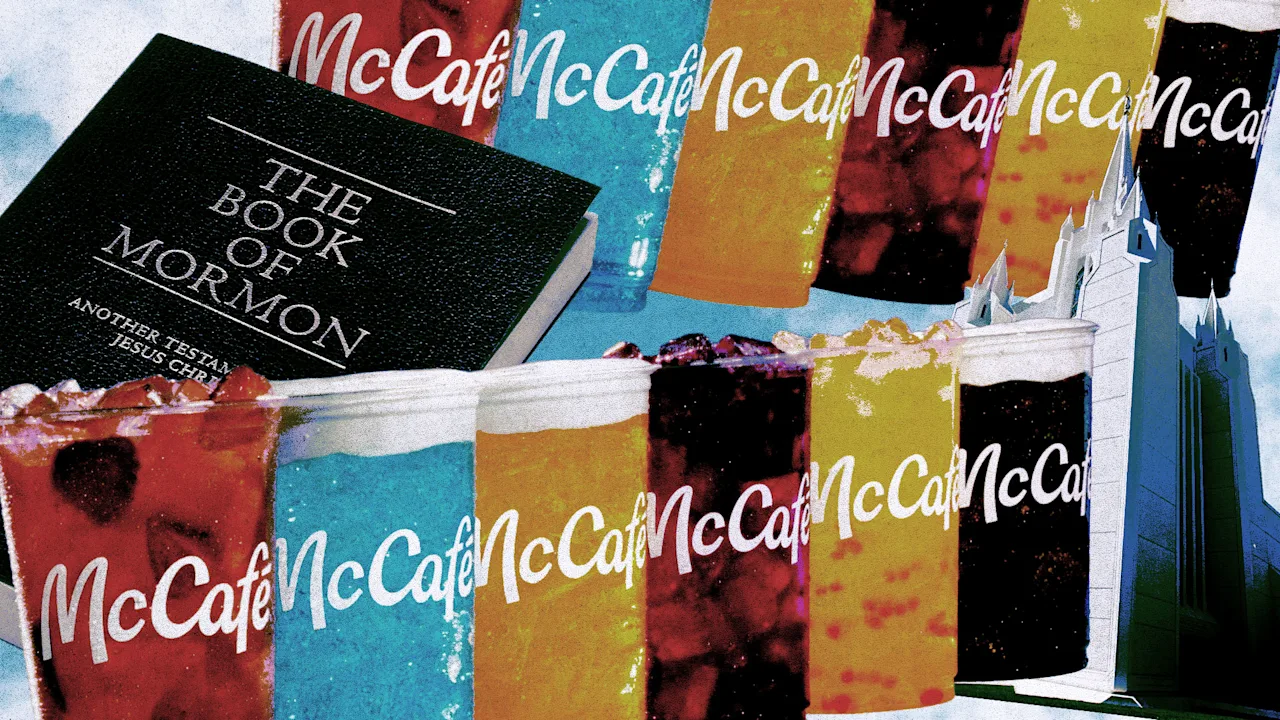
On April 28, McDonald's unveiled plans to introduce six new beverages starting May 6, including three crafted sodas: Sprite Berry Blast, Orange Dream, and Dirty Dr Pepper. These drinks mix flavored syrups and cold foam with classic carbonated beverages, marking the chain's entry into the 'dirty soda' trend. The move follows a surge in popularity driven by both a vibrant Mormon subculture and a hit Hulu reality series.
What Is Dirty Soda?
Dirty soda refers to any carbonated soft drink enhanced with syrups, creams, or other add-ins to create a customized, indulgent beverage. While the concept has existed for decades in soda fountains and convenience stores, it gained a distinct identity in Utah, where a large Mormon population embraced it as a social alternative to alcohol. The term 'dirty soda' was trademarked by the Utah-based chain Swig in 2014, but many other shops—and now fast-food giants—have adopted the practice.
The Mormon Connection
Members of the Church of Jesus Christ of Latter-day Saints (often called Mormons) abstain from alcohol, coffee, and tea, but caffeine from soda is permitted. This rule creates a massive market for flavorful, non-alcoholic drinks. In Utah, where 42% of adults identify as Mormon, soda shops have proliferated, becoming social hubs akin to bars in other regions. The 'dirty soda' trend emerged from this cultural context, offering a way to enjoy a treat without violating religious guidelines.
Cast member Jessi Draper from the Hulu show The Secret Lives of Mormon Wives described the phenomenon: 'Utah is, like, land of the Mormon bar, which is all the soda shops that we have. There’s one on every corner.' Fellow cast member Demi Engemann added, 'We don’t drink alcohol or do drugs, and so it’s kind of our vice.'
From Swig to Mainstream
Swig, the Utah-based soda shop that trademarked 'dirty soda,' experienced a publicity boom after The Secret Lives of Mormon Wives premiered in late 2024. The show's first episode features a group of Mormon influencers—collectively known as MomTok—ordering oversized 44-ounce sodas laden with syrups and creams at a Swig location. This exposure catapulted the concept into national conversation.
Swig's CMO, Dylan Roeder, explained the trend's appeal to PRWeek: 'The concept of dirty soda is still foreign and intriguing, and The Secret Lives of Mormon Wives poured gasoline on that. People watch the show and think, “I need to try this.”' He also noted that the appeal is universal: 'It’s not exclusive to anyone. Everyone wants a refreshing beverage.'
McDonald’s Joins the Craze
By adding dirty sodas to its menu, McDonald's recognizes the trend's staying power and profit potential. The three new drinks—Sprite Berry Blast, Orange Dream, and Dirty Dr Pepper—offer customers a customizable soda experience similar to what Swig and other shops provide but at a fast-food price point. Social media reacted quickly, with users pointing out the Mormon origins. One person declared, 'It’s the American century of Mormonism,' while another observed rising purity culture among Gen Z and predicted 'a Mormon decade.' A third user noted a local soda shop's line 'over a mile long,' calling it a 'Mormon cultural takeover of America.'
More Than a Trend
Dirty soda's journey from a regional Mormon staple to a national fast-chain offering underscores how niche cultural practices can reshape mainstream food and beverage markets. With the visibility from reality TV and the endorsement from McDonald's, the trend is likely to continue expanding. Whether it becomes a permanent fixture or a seasonal novelty, the dirty soda story highlights the power of community-based food traditions and the influence of pop culture in amplifying them.