Musk's AI Ambitions Under Scrutiny: Key Contradictions and Revelations
In early March 2026, Elon Musk boldly declared on X that Tesla would be among the first to achieve artificial general intelligence (AGI), specifically in a humanoid, atom-shaping form. Yet less than two months later, under oath in a federal courtroom, he admitted Tesla had no concrete plans to pursue AGI. This stark contradiction lies at the heart of the ongoing Musk v. Altman trial, which is now exposing Musk's long-held AI ambitions as less about safety or humanity and more about control. Below, we examine the key questions raised by this dramatic shift.
What contradiction did Musk's testimony reveal about his AGI claims?
On March 4, 2026, Musk posted on X that Tesla “will be one of the companies to make AGI and probably the first to make it in humanoid/atom-shaping form.” However, during sworn testimony in an Oakland federal courtroom less than eight weeks later, he was asked directly whether Tesla had any concrete plans to pursue AGI. His response was a flat “No.” This direct contradiction—between his public bravado and his legal admission—exposes a pattern of overpromising. It suggests Musk may have been exaggerating Tesla's capabilities to maintain investor enthusiasm and public attention, while under oath he acknowledged the lack of a real roadmap. The trial is now exploring whether such discrepancies are mere marketing or evidence of deliberate misrepresentation.
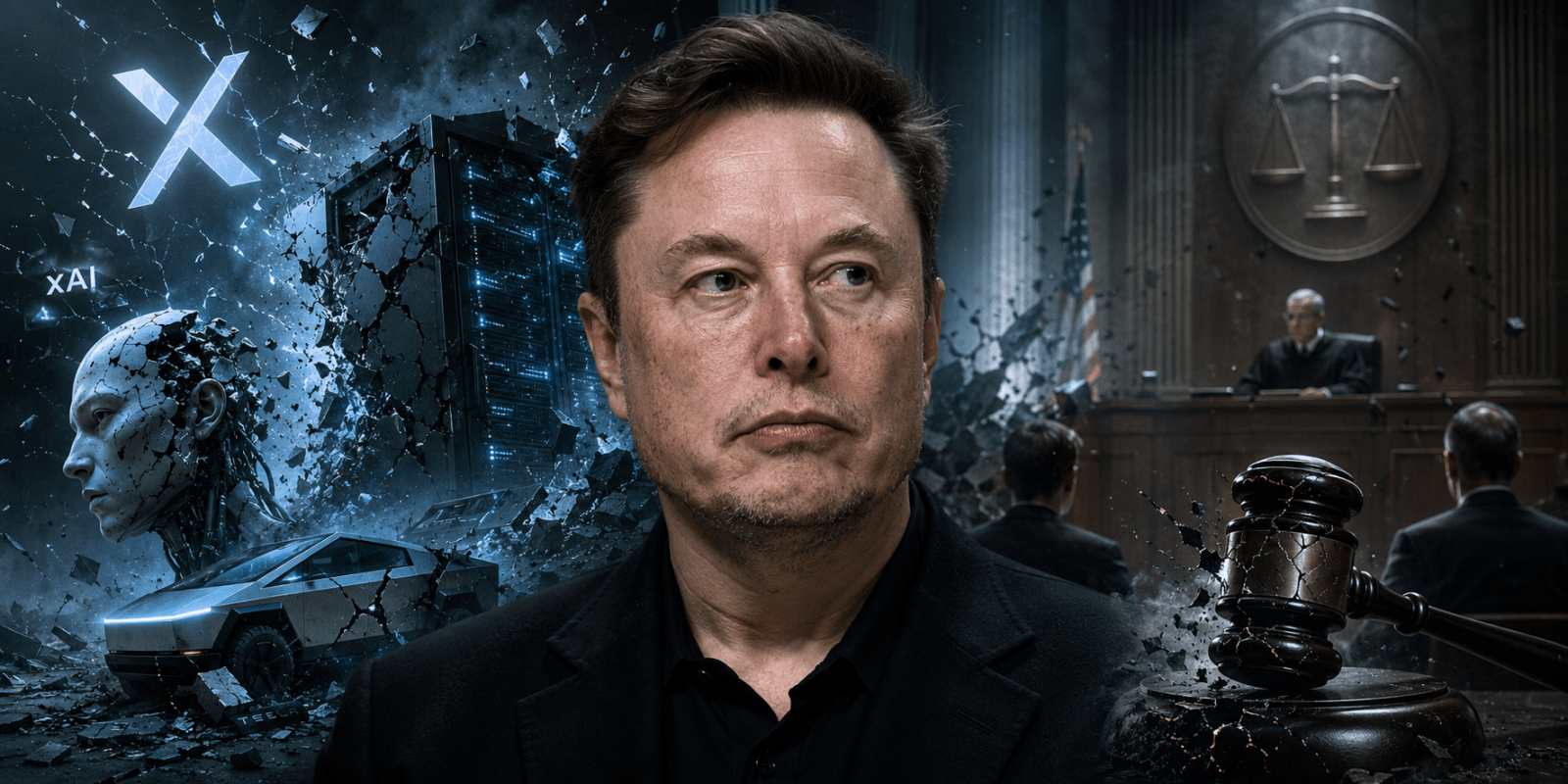
What does the Musk v. Altman trial reveal about Musk's motivations?
The trial has pulled back the curtain on Musk's decade-long AI obsession. Evidence and testimony suggest his ambitions were never primarily about safety, open access, or benefiting humanity—the stated ideals of OpenAI, which he co-founded. Instead, the courtroom proceedings portray a man seeking control over AGI development. Musk's legal battles with Sam Altman, as well as his internal company decisions, indicate a pattern of wanting to dominate the field rather than foster collaborative, responsible innovation. The trial is uncovering internal communications and financial maneuvers that paint a picture of a CEO who used AI hype to serve his personal and business interests, raising questions about his integrity and strategic priorities.
How did Musk's public statements differ from his sworn testimony?
Musk's X post on March 4, 2026, promised that Tesla would lead in creating AGI, specifically in a humanoid form. This aligned with his charismatic public persona as a visionary. Yet under oath, faced with potential perjury charges, he admitted no concrete plans existed. The difference is stark: in public, he offered a bold, specific timeline; in court, he retreated to vagueness. This gap suggests that Musk may have been using Tesla's AI narrative to attract talent, investment, and media coverage, while internally the company lacked the foundational research or resources to deliver. The testimony also indicates that Musk's legal team may have advised him to downplay earlier claims to avoid liability, creating a clear conflict between his marketing and reality.
What was the significance of Musk's March 2026 post about AGI?
The March 2026 post was not an isolated boast. It came amid a broader campaign to position Tesla as an AI leader, separate from OpenAI. Musk emphasized “humanoid/atom-shaping form,” suggesting his vision went beyond software to physical manifestation. This statement aimed to reassure Tesla supporters that the company remained at the cutting edge, even as rivals like OpenAI and Google advanced. However, the post also created high expectations. When he later admitted under oath that Tesla lacked concrete AGI plans, the contradiction undermined not only his credibility but also Tesla's standing in the AI race. The post now serves as key evidence in the trial, highlighting the gap between Musk's hype and his company's actual capabilities.

How does Musk's role as a public figure affect the legal proceedings?
Musk's massive social media following amplifies his every statement, making his public claims especially impactful. In the Musk v. Altman trial, his posts are being scrutinized as potential evidence of misleading investors and the public. Because he has a history of making bold predictions that later fall short, the court is examining whether his March 2026 AGI post was a good-faith forecast or a calculated exaggeration. The trial's outcome could set a precedent for how tech leaders are held accountable for public statements about future technologies. Musk's celebrity status also means the case is highly publicized, forcing him to defend his business practices under intense media scrutiny, which may influence both the proceedings and his future behavior.
What are the broader implications for Tesla's AI credibility?
This contradiction between Musk's public claims and sworn testimony significantly damages Tesla's credibility in the AI field. The company has long promoted its Full Self-Driving technology and humanoid robot as steps toward AGI, but the trial reveals that these may be more aspirational than achievable. Investors and partners may now question Tesla's timeline for any advanced AI product. Furthermore, the revelation could slow talent recruitment, as researchers seek more transparent environments. The trial also raises doubts about Musk's leadership style: if he misrepresented AGI plans, what other claims about Tesla's technology might be overstated? Restoring trust will require concrete progress and greater transparency—a challenge for a company built on Musk's visionary rhetoric.
What does the trial tell us about the future of AGI development?
The Musk v. Altman trial is more than a personal dispute; it reflects a pivotal moment in AI history. Musk's contradictory testimony underscores the tension between ambitious marketing and actual progress in AGI research. As the trial exposes private communications and strategic decisions, it reveals how competitive pressures can lead even prominent figures to overstate their achievements. This case may encourage other AI companies to be more cautious about public claims, fostering a more honest dialogue about capabilities and limitations. Ultimately, the trial demonstrates that the path to AGI is not just technological but also ethical and legal, requiring accountability for promises made to the public and to shareholders. The outcome could shape industry standards for transparency.